
Choosing the right web hosting provider is one of the most important decisions you'll make when building a website. Whether you're launching a business website, blog, portfolio, or ecommerce store, your hosting provider directly affects performance, security, user experience, and search engine visibility.
Many businesses focus heavily on website design and content while overlooking hosting quality. However, even the most professionally designed website can struggle if it is hosted on slow or unreliable infrastructure.
With so many hosting options available, selecting the right solution can feel overwhelming. In this guide, we'll explain the key factors businesses should consider when choosing web hosting and how to find a solution that supports long-term growth.
Why Choosing the Right Hosting Matters
Your hosting provider serves as the foundation of your website.
A quality hosting solution helps ensure:
- Fast website performance
- Strong security
- Reliable uptime
- Better user experience
- Improved search visibility
Poor hosting can lead to slow loading speeds, downtime, security risks, and lost business opportunities.
Choosing the right hosting provider from the beginning can save time, money, and frustration later.
Understand Your Website Requirements
Before selecting a hosting plan, it's important to understand your website's needs.
Ask yourself:
- How much traffic do you expect?
- What type of website are you building?
- Will you sell products online?
- Do you expect future growth?
- Will you need custom functionality?
The answers to these questions will help determine which hosting solution is most appropriate.
Consider Website Performance
Website speed plays a major role in user experience.
Visitors expect websites to load quickly. Slow websites often experience:
- Higher bounce rates
- Lower engagement
- Reduced conversions
When evaluating hosting providers, look for features that support strong performance, including:
- SSD storage
- Optimized servers
- Modern infrastructure
- Performance monitoring
Faster hosting generally creates better experiences for users.
Evaluate Uptime Reliability
Uptime measures how often your website remains available online.
Frequent downtime can result in:
- Lost leads
- Missed sales
- Reduced trust
- Poor customer experiences
Businesses should choose hosting providers that prioritize reliability and infrastructure stability.
A website that is unavailable cannot generate traffic, enquiries, or revenue.
Website Security is Essential
Cybersecurity threats continue to grow each year.
A quality hosting provider should help protect your website from common threats.
Important security features may include:
- SSL certificates
- Malware protection
- Firewall systems
- Automated backups
- Security monitoring
Strong security helps protect customer data and business operations.
Choose a Hosting Type That Fits Your Needs
Different hosting options are designed for different types of websites.
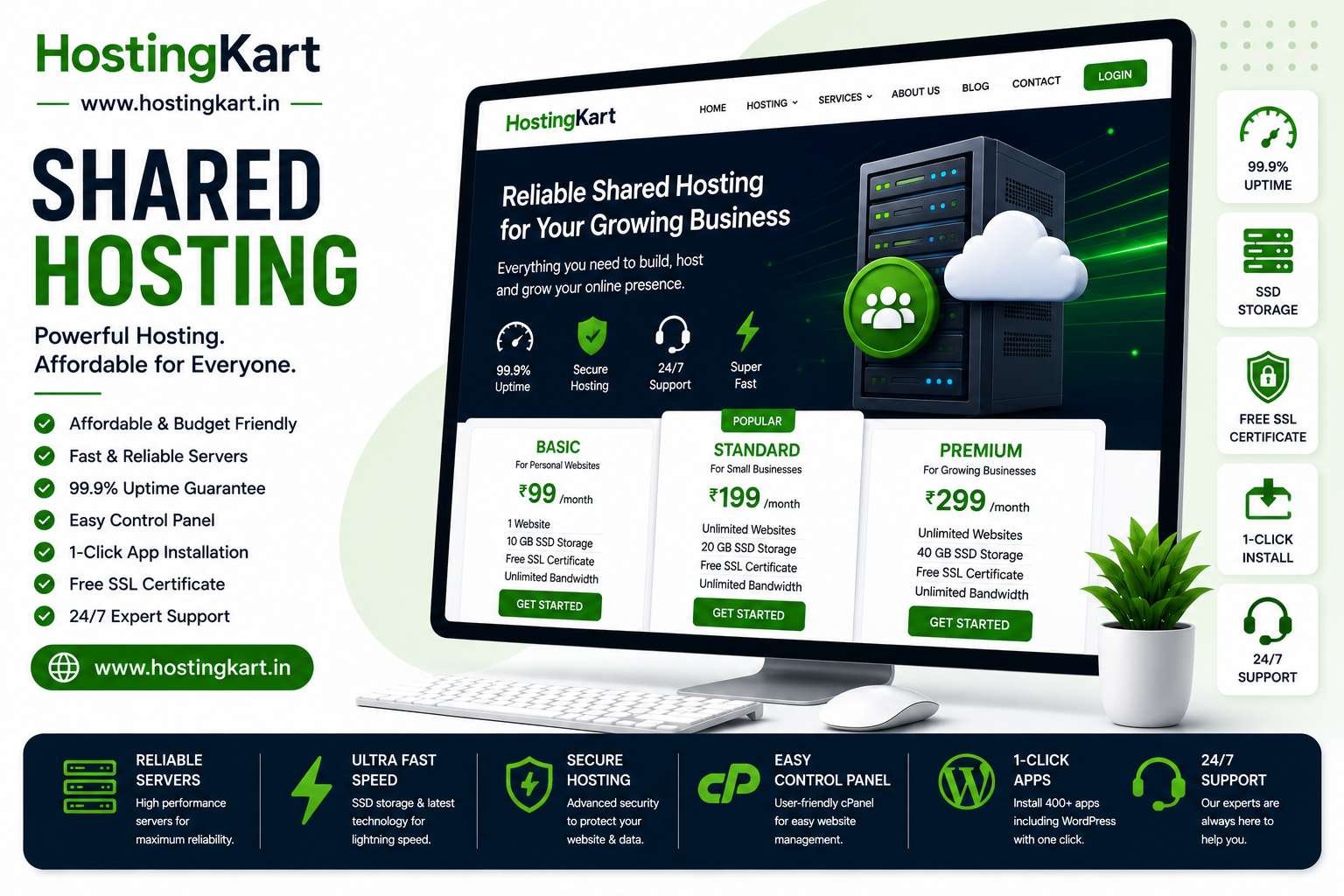
Shared Hosting
Shared hosting is often suitable for:
- Small business websites
- Personal blogs
- New websites
It provides an affordable entry point for businesses with modest resource requirements.
WordPress Hosting
WordPress hosting is optimized specifically for WordPress websites.
Benefits include:
- Improved performance
- Enhanced security
- Easier management
Businesses using WordPress often benefit from hosting designed specifically for the platform.
VPS Hosting
VPS hosting offers dedicated resources within a virtual environment.
Benefits include:
- Better performance
- Increased control
- Greater scalability
VPS hosting is often appropriate for growing websites with increasing traffic.
Cloud Hosting
Cloud hosting distributes resources across multiple servers.
Advantages include:
- High reliability
- Flexible scaling
- Improved uptime
Cloud hosting is popular among businesses planning future growth.
Look for Scalability
Businesses evolve over time.
A website that receives a few hundred visitors today may receive thousands in the future.
Your hosting solution should be able to scale without major disruptions.
Scalable hosting helps businesses:
- Handle traffic growth
- Add functionality
- Expand operations
Planning for growth can prevent future migration challenges.
Customer Support Matters
Technical issues can occur unexpectedly.
Reliable customer support becomes invaluable when problems arise.
When evaluating providers, consider:
- Availability
- Response times
- Technical expertise
- Communication quality
Fast and knowledgeable support can significantly reduce downtime and frustration.
Backup and Recovery Features
Unexpected issues can affect any website.
Potential risks include:
- Software errors
- Security incidents
- User mistakes
- Server problems
Regular backups provide protection by allowing websites to be restored quickly.
Backup systems should be a key consideration when choosing hosting.
Hosting and SEO
Many businesses overlook the relationship between hosting and SEO.
Search engines evaluate factors such as:
- Website speed
- Uptime
- Security
- User experience
Reliable hosting supports stronger SEO performance by creating a better experience for visitors and search engines alike.
Poor hosting can negatively affect search visibility.
Hosting for Ecommerce Websites
Ecommerce websites often require additional resources.
Important considerations include:
- Payment security
- Fast loading speeds
- Reliable uptime
- Scalability
- Customer data protection
A strong hosting environment helps ecommerce businesses deliver smooth shopping experiences.
Common Hosting Selection Mistakes
Businesses often make mistakes when selecting hosting providers.
Common issues include:
- Choosing based only on price
- Ignoring future growth
- Overlooking support quality
- Neglecting security features
- Underestimating resource requirements
Taking a long-term approach can help avoid these problems.
Questions to Ask Before Choosing Hosting
Before making a decision, consider asking:
- What security features are included?
- How are backups handled?
- What support options are available?
- How easy is it to upgrade plans?
- What uptime standards are maintained?
These questions help businesses evaluate providers more effectively.
Why Professional Hosting Matters
A professional hosting solution provides more than server space.
It supports:
- Website performance
- Business continuity
- Customer satisfaction
- Search visibility
- Future growth
The right hosting provider becomes a valuable long-term partner.
Why Businesses Choose HostingKart
HostingKart provides hosting solutions designed to meet the needs of businesses across India.
Our services focus on:
- Reliable performance
- Website security
- Fast loading speeds
- Scalability
- Responsive support
Whether you're launching a new website or upgrading an existing one, HostingKart offers hosting solutions designed for long-term success.
Conclusion
Choosing the right web hosting provider is one of the most important investments you can make for your website.
The hosting solution you select affects website speed, security, uptime, SEO performance, and overall user experience.
By evaluating your website requirements carefully and prioritizing reliability, security, scalability, and support, you can choose a hosting provider that supports your business goals and future growth.
A strong hosting foundation helps ensure your website remains fast, secure, and ready to serve customers effectively.