
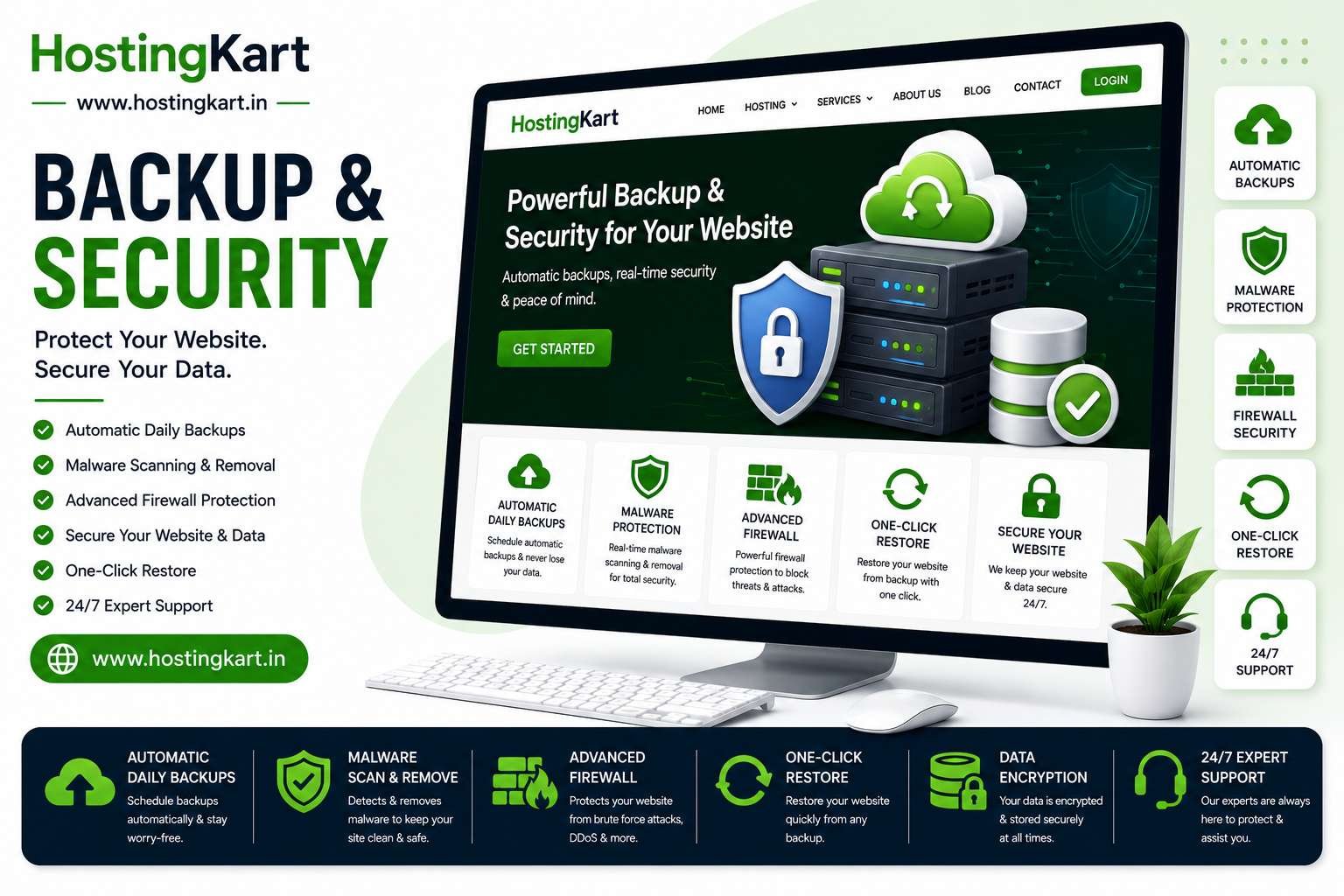

Website security has become one of the most important aspects of managing an online business. Whether you operate a small business website, ecommerce store, blog, or corporate portal, protecting your website from cyber threats is essential for maintaining customer trust and ensuring business continuity.
Cybercriminals continuously target websites of all sizes. Contrary to popular belief, hackers do not only attack large corporations. Small and medium-sized businesses are often targeted because they may have weaker security measures in place.
A security breach can lead to lost revenue, damaged reputation, downtime, and even legal complications. The good news is that many website security risks can be significantly reduced through proper planning and best practices.
In this guide, we'll explore common website threats and explain how businesses can improve website security.
Why Website Security Matters
Your website contains valuable information and serves as an important business asset.
A security incident can affect:
- Customer trust
- Business reputation
- Website availability
- Search engine visibility
- Revenue generation
Businesses that prioritize security create safer experiences for visitors and reduce operational risks.
Common Website Security Threats
Understanding potential threats is the first step toward protecting your website.
Malware
Malware refers to malicious software designed to damage systems, steal information, or disrupt operations.
Malware infections can:
- Damage website functionality
- Redirect visitors
- Steal sensitive information
- Harm search rankings
Regular monitoring helps identify malware before significant damage occurs.
Brute Force Attacks
Brute force attacks involve repeated attempts to guess login credentials.
Attackers use automated systems to test thousands of username and password combinations.
Weak passwords significantly increase vulnerability to these attacks.
Data Breaches
A data breach occurs when unauthorized individuals gain access to sensitive information.
Potential targets include:
- Customer details
- Login credentials
- Payment information
- Business records
Protecting sensitive data should be a top priority for every website owner.
Phishing Attacks
Phishing attempts often involve deceptive emails or messages designed to steal login credentials or sensitive information.
Businesses should educate staff and administrators about recognizing suspicious communications.
Distributed Denial of Service (DDoS) Attacks
DDoS attacks attempt to overwhelm a website with excessive traffic.
The goal is to make the website unavailable to legitimate visitors.
Reliable hosting infrastructure and security protections can help mitigate these threats.
The Importance of SSL Certificates
SSL certificates encrypt information transmitted between visitors and websites.
Benefits include:
- Improved security
- Customer trust
- Data protection
- Better search visibility
Visitors are more likely to trust websites that display secure HTTPS connections.
SSL certificates have become a standard requirement for modern websites.
Strong Password Practices
Passwords remain one of the most important security defenses.
Businesses should use:
- Long passwords
- Unique passwords
- Complex combinations
- Password management tools
Weak passwords remain one of the most common causes of security breaches.
Enable Two-Factor Authentication
Two-factor authentication (2FA) provides an additional layer of protection.
Users must verify their identity through a second method in addition to their password.
Benefits include:
- Improved account security
- Reduced unauthorized access
- Enhanced protection against credential theft
2FA is strongly recommended for website administrators.
Keep Software Updated
Outdated software often contains vulnerabilities that attackers can exploit.
Regular updates should include:
- Website platforms
- Themes
- Plugins
- Security tools
Keeping software current helps reduce exposure to known threats.
Backup Your Website Regularly
Backups provide protection against:
- Security incidents
- Human error
- Technical failures
- Data corruption
Regular backups allow businesses to restore websites quickly when problems occur.
A strong backup strategy is an essential part of website security.
Secure Your Hosting Environment
Hosting plays a major role in website security.
A reliable hosting provider should offer:
- Malware protection
- Firewall systems
- Security monitoring
- Backup solutions
- Infrastructure security
Quality hosting creates a stronger foundation for website protection.
Limit User Access
Not every user requires administrative privileges.
Businesses should grant access based on responsibilities.
Benefits include:
- Reduced security risks
- Better account management
- Improved oversight
Limiting permissions helps minimize potential vulnerabilities.
Monitor Website Activity
Regular monitoring helps identify unusual activity before it becomes a major problem.
Businesses should watch for:
- Failed login attempts
- Unexpected file changes
- Suspicious traffic patterns
- Security alerts
Proactive monitoring allows businesses to respond quickly to potential threats.
Website Security and SEO
Search engines prioritize safe browsing experiences.
Security issues can negatively affect:
- Search rankings
- User trust
- Website traffic
Search engines may warn users about compromised websites, which can significantly reduce visibility.
Strong security practices support both user experience and SEO performance.
Security Best Practices for Ecommerce Websites
Ecommerce websites often handle sensitive customer information.
Important security measures include:
- Secure payment gateways
- SSL encryption
- Regular updates
- Strong authentication
- Security monitoring
Protecting customer data is essential for maintaining trust and business success.
Common Website Security Mistakes
Many security incidents result from preventable mistakes.
Common issues include:
- Weak passwords
- Outdated software
- Poor hosting choices
- Lack of backups
- Excessive user permissions
- Ignoring security monitoring
Addressing these issues can significantly improve website protection.
Create a Website Security Plan
Every business should develop a security strategy that includes:
- Regular updates
- Backup schedules
- Security monitoring
- Access control policies
- Incident response procedures
A structured approach helps reduce risks and improve preparedness.
Why Website Security is an Ongoing Process
Website security is not a one-time task.
Threats continue to evolve, requiring businesses to remain vigilant.
Regular maintenance, monitoring, and updates help ensure long-term protection.
Businesses that treat security as an ongoing priority are better positioned to protect their websites and customers.
Why Businesses Choose HostingKart
HostingKart provides hosting solutions designed with security, performance, and reliability in mind.
Our services focus on:
- Secure hosting infrastructure
- Malware protection
- Website monitoring
- Backup solutions
- SSL support
- Professional technical assistance
We help businesses maintain secure websites while supporting long-term growth and performance.
Conclusion
Website security is essential for protecting your business, customers, and online reputation.
From malware and phishing attacks to data breaches and unauthorized access, websites face numerous threats that require proactive protection.
By implementing strong security practices, choosing reliable hosting, maintaining regular backups, and staying informed about emerging risks, businesses can significantly reduce vulnerabilities and create safer online experiences.
Investing in website security is not just about preventing problems—it is about building trust, protecting customers, and ensuring long-term business success.