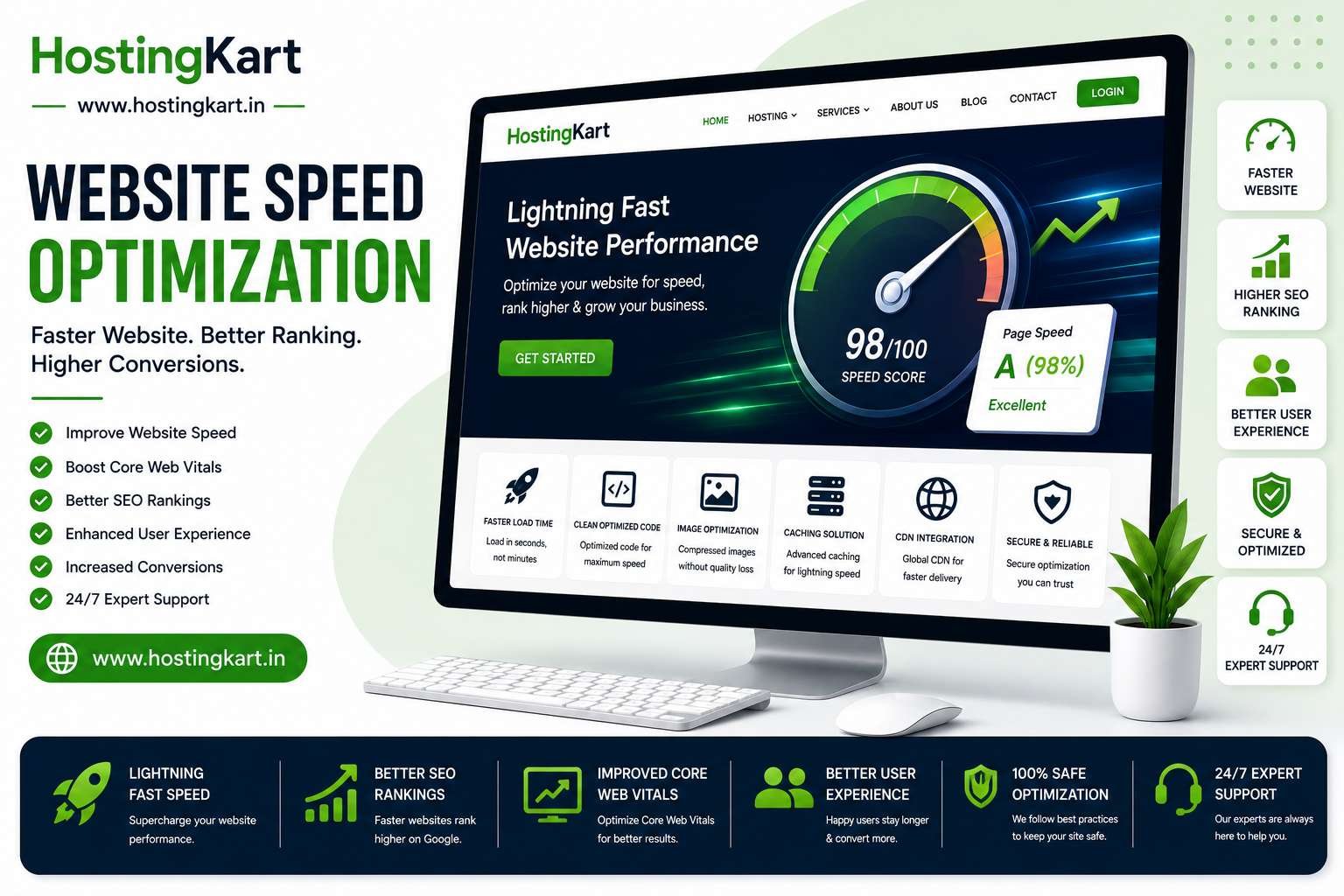

Website speed has become one of the most important factors affecting online success. Whether you run a business website, ecommerce store, blog, or corporate portal, the speed at which your website loads can directly influence user experience, search engine rankings, lead generation, and revenue.
Modern internet users expect websites to load almost instantly. If a website takes too long to appear, many visitors will leave before even viewing the content.
For businesses competing online, website speed is no longer a technical consideration—it is a business necessity.
In this guide, we'll explore why website speed matters and how it affects SEO, customer satisfaction, and long-term growth.
What is Website Speed?
Website speed refers to how quickly a web page loads and becomes usable for visitors.
Several factors influence loading speed, including:
- Hosting performance
- Server response times
- Image optimization
- Website code
- Caching systems
- Website architecture
A fast website delivers content quickly and provides a smoother experience for users.
First Impressions Happen Quickly
When visitors arrive on a website, they immediately begin evaluating their experience.
A slow-loading website can create negative impressions before users even interact with the content.
Visitors often associate fast websites with:
- Professionalism
- Reliability
- Trustworthiness
Fast websites encourage users to stay longer and explore additional pages.
Website Speed and User Experience
User experience plays a major role in website success.
Visitors expect websites to:
- Load quickly
- Respond smoothly
- Display correctly on all devices
When websites are slow, users may experience:
- Frustration
- Navigation difficulties
- Reduced engagement
A positive user experience increases the likelihood that visitors will become customers.
How Website Speed Affects SEO
Search engines aim to provide users with the best possible experience.
As a result, website speed has become an important ranking factor.
Search engines evaluate technical performance when determining rankings.
Benefits of faster websites include:
- Better crawl efficiency
- Improved user engagement
- Lower bounce rates
- Stronger search visibility
While speed alone won't guarantee high rankings, it contributes significantly to overall SEO performance.
Bounce Rates and Website Speed
Bounce rate refers to the percentage of visitors who leave a website without taking further action.
Slow websites often experience higher bounce rates because visitors become impatient.
High bounce rates can result in:
- Lost traffic
- Missed leads
- Reduced conversions
Improving website speed often helps retain visitors and increase engagement.
Website Speed and Conversions
Every business website has goals.
These goals may include:
- Generating enquiries
- Collecting leads
- Making sales
- Encouraging bookings
Slow websites create friction during the customer journey.
Fast websites make it easier for users to:
- Browse services
- Complete forms
- Make purchases
- Contact businesses
Improved speed often leads to higher conversion rates.
Mobile Users Expect Fast Websites
A large percentage of internet users access websites through smartphones.
Mobile users frequently browse while:
- Traveling
- Working
- Shopping
- Researching services
Slow websites can be particularly frustrating on mobile devices.
Optimizing performance for mobile visitors is essential for both user experience and search visibility.
Website Speed and Ecommerce Success
Speed is especially important for ecommerce websites.
Online shoppers expect:
- Fast product pages
- Smooth navigation
- Quick checkout experiences
Slow ecommerce websites often experience:
- Cart abandonment
- Reduced sales
- Lower customer satisfaction
Every second of delay can potentially affect revenue.
Common Causes of Slow Websites
Many websites suffer from performance issues because of avoidable mistakes.
Common causes include:
Poor Hosting
Low-quality hosting often results in slower server response times.
Large Images
Unoptimized images can significantly increase page loading times.
Excessive Plugins
Too many plugins may create performance bottlenecks.
Outdated Software
Older themes, plugins, and systems can reduce efficiency.
Poor Website Structure
Complex code and unnecessary elements can slow down websites.
Identifying these issues is the first step toward improving performance.
The Role of Hosting in Website Speed
Hosting is one of the most important factors affecting website performance.
A quality hosting provider helps deliver:
- Faster server response times
- Better resource allocation
- Improved uptime
- Greater reliability
Businesses often focus on design and content while underestimating the impact of hosting.
Reliable hosting provides the technical foundation necessary for optimal performance.
Website Speed and Customer Trust
Visitors often judge businesses based on website quality.
A slow website can create concerns about:
- Professionalism
- Reliability
- Security
Fast websites help reinforce confidence and improve brand perception.
Trust plays a major role in converting visitors into customers.
How to Improve Website Speed
Businesses can improve website performance through several strategies.
Choose Quality Hosting
Reliable hosting provides the foundation for speed improvements.
Optimize Images
Compressed images load faster while maintaining visual quality.
Enable Caching
Caching helps reduce loading times for returning visitors.
Minimize Unnecessary Plugins
Removing unused plugins can improve performance.
Keep Software Updated
Regular updates often include performance enhancements and security improvements.
These practices help create faster and more efficient websites.
Website Speed and Business Growth
Fast websites contribute to business growth by helping organizations:
- Improve user experience
- Increase conversions
- Strengthen SEO performance
- Build customer trust
- Generate more leads
Website speed should be viewed as an investment rather than a technical expense.
The benefits often extend across multiple areas of business performance.
Measuring Website Performance
Businesses should regularly monitor website performance using tools that evaluate:
- Page loading times
- Mobile performance
- Technical issues
- User experience metrics
Regular monitoring helps identify opportunities for improvement.
Why Businesses Choose HostingKart
HostingKart provides hosting solutions designed to help businesses achieve optimal website performance.
Our hosting services focus on:
- Fast loading speeds
- Reliable uptime
- Website security
- Scalability
- Professional support
We help businesses create faster websites that deliver better user experiences and support long-term growth.
Conclusion
Website speed has become a critical factor in SEO, user experience, conversions, and overall business success.
Visitors expect websites to load quickly, and search engines increasingly reward websites that deliver strong performance.
By investing in quality hosting, optimizing website resources, and focusing on technical performance, businesses can improve visibility, increase engagement, and create better experiences for their customers.
A faster website is not just good for SEO—it is good for business.